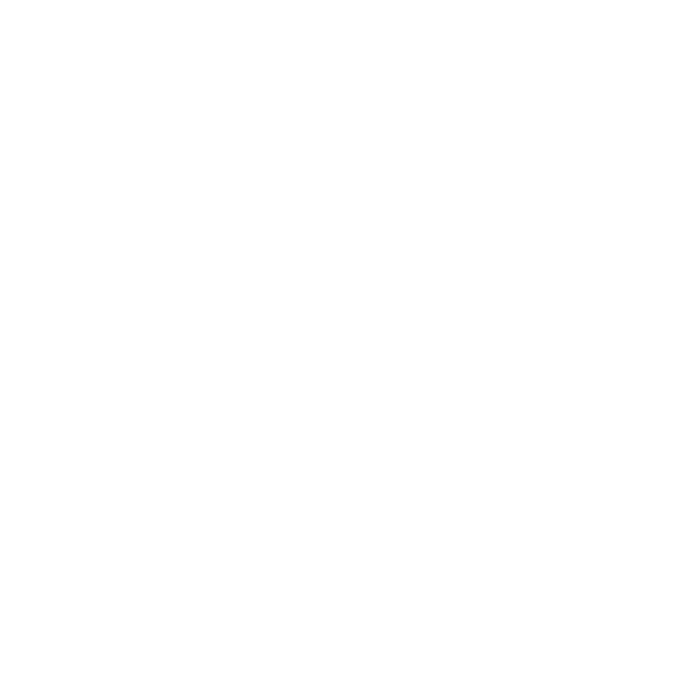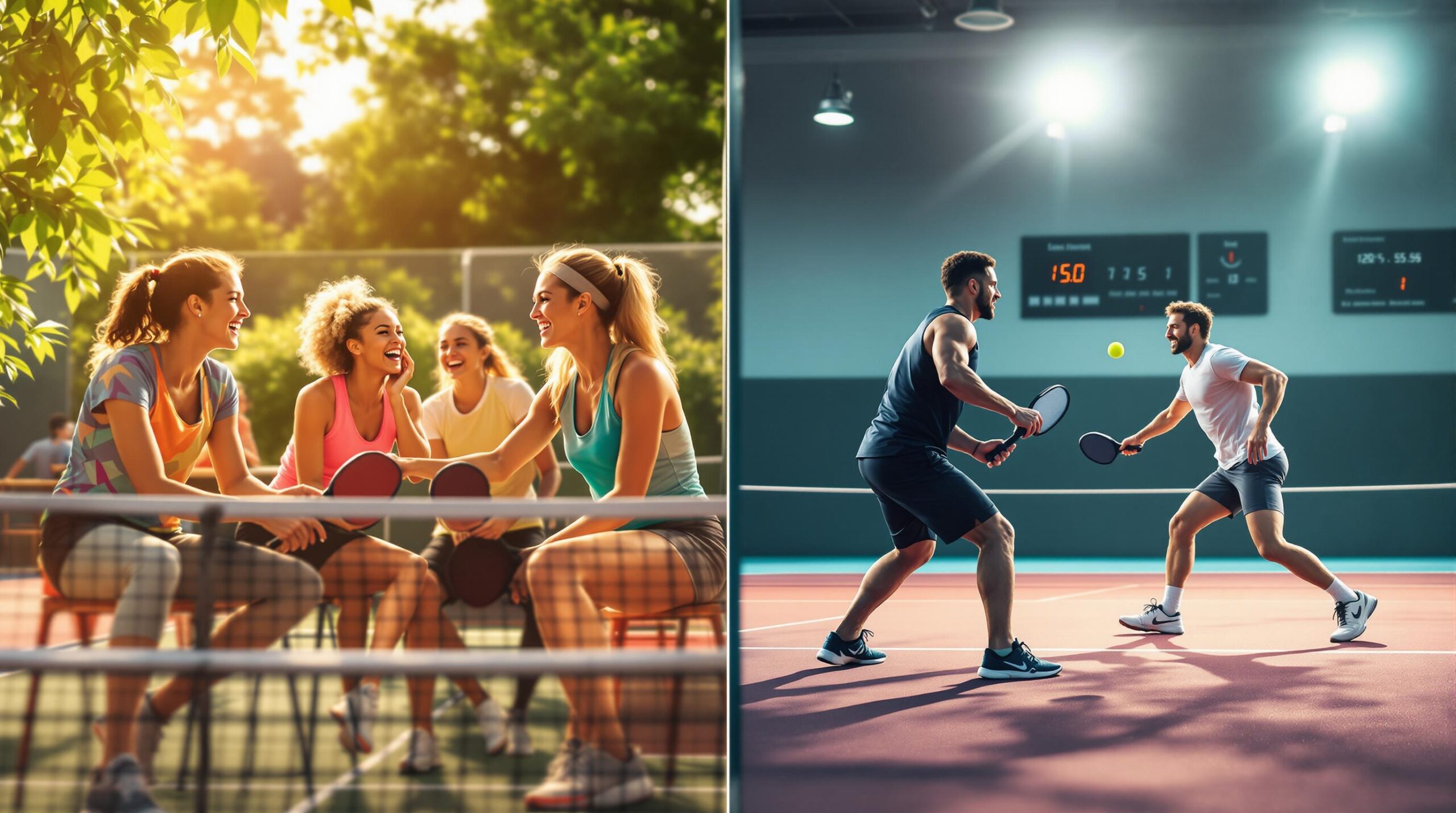
Pickleball offers two main styles of play – recreational and competitive – and choosing the right one depends on your goals, schedule, and preferences.
| Aspect | Recreational Pickleball | Competitive Pickleball |
|---|---|---|
| Primary Focus | Fun and social interaction | Skill-building and competition |
| Time Commitment | Flexible | Structured and demanding |
| Rules Enforcement | Relaxed, self-officiated | Strict, referee-enforced |
| Game Duration | 15–25 minutes per game | 45–60+ minutes per match |
| Cost | $30–$50/month | $200+/month |
Whether you’re looking for casual fun or a challenge, pickleball has something for everyone. Keep reading to decide which style suits you best.
Recreational pickleball is all about having a good time and connecting with others. The focus is on enjoyment rather than intense competition. As Play! Pickle explains:
"Unlike some competitive sports, pickleball emphasizes fun and connection over intensity and rivalry."
The smaller court size encourages casual chats during games, and many groups host post-match hangouts and events, creating a sense of community that extends beyond the game itself.
One of the best parts of recreational pickleball is how easy it is to fit into a busy schedule. A single game usually takes 15–25 minutes, while a full match (2–3 games) lasts between 30 and 75 minutes.
| Game Type | Typical Duration |
|---|---|
| Single Game | 15–25 minutes |
| Full Match (2–3 games) | 30–75 minutes |
Leagues like Paddle Party make it even more convenient with a 6-week season format, allowing players to arrange matches at times that work for them. This makes it a great option for anyone looking to try something new without a huge time commitment.
Starting out in pickleball is simple. You’ll need a few basics: a graphite or composite paddle, comfortable athletic wear, supportive shoes, and pickleball balls.
Doubles games are perfect for newcomers since they require less movement across the court and encourage social interaction. Many recreational leagues, such as Paddle Party, offer divisions based on skill levels, so you can learn alongside players at a similar stage.
Here are the key skills to focus on as a beginner:
"The very essence of pickleball is rooted in camaraderie."
Competitive pickleball shifts away from casual play, demanding precision, strategy, and a structured approach to improve and succeed.
Competitive pickleball follows strict rules and organization. Tournaments typically include men’s singles and doubles, women’s singles and doubles, and mixed doubles, all divided by age and skill level.
Different tournament formats cater to various competitive needs:
| Format | Description | Winner Determination |
|---|---|---|
| Single Elimination + Consolation | Players who lose move to a consolation bracket | Bronze medal maximum |
| Double Elimination | Players get two chances before elimination | Consolation winner can still win gold |
| Round Robin | All players or teams compete against each other | Based on best win–loss record |
| Pool Play | Players compete within groups first | Top teams move to final brackets |
Matches are typically played in a best-of-three format, with games going to 11 points (requiring a two-point margin). Referees enforce the rules and manage scorekeeping. This structured environment pushes players to develop advanced skills, which are essential for competitive success.
To excel in competitive pickleball, players need to focus on advanced techniques and strategic gameplay. Essential skills include:
"Prior to the start of a pickleball tournament, it is important to take the time to learn the pickleball tournament format, scoring, and other rules that may apply on the court." – ThePickler.com
Players must also adhere to strict rules, with referees issuing warnings or fouls for violations or unsportsmanlike behavior. Time-outs are available during matches, allowing players to regroup and adjust their strategies.
Climbing the competitive pickleball rankings requires consistent practice and skill refinement. Focus on these areas:
Regular tournament participation and dedicated training are key to improving your ranking and reaching higher levels of competitive play.
Here’s a straightforward comparison of recreational and competitive pickleball to help you understand the key differences.
| Aspect | Recreational Pickleball | Competitive Pickleball |
|---|---|---|
| Game Duration | 15–25 minutes per game | 45–60+ minutes per match |
| Format | Single games to 11 points | Best-of-three matches with a 2-point margin |
| Scheduling | Drop-in games with flexible timing | Set tournament and league schedules |
| Skill Mixing | Open to all skill levels | Divided by skill level |
| Rules Enforcement | Relaxed, self-officiated | Strict adherence to rules |
| Time Commitment | 1–2 hours per session | Full-day tournaments and regular practice |
| Focus | Social interaction and fun | Skill improvement and competition |
The two formats cater to very different experiences. Recreational games are shorter and more relaxed, ideal for those seeking flexibility and social interaction. In contrast, competitive play demands more time, skill, and adherence to official rules, making it a better fit for players focused on performance and improvement.
Recreational play suits those who want to:
Competitive play is for those who are ready to:
Paddle Party’s structure allows players to explore both formats, offering a seamless way to transition as skills grow. Whether you’re in it for fun or the thrill of competition, there’s something for everyone.
Choosing how you play pickleball depends on your personal goals and schedule.
Your approach to pickleball starts with what you want out of the experience:
The costs involved can differ based on the type of play you choose:
| Expense Category | Recreational Play | Competitive Play |
|---|---|---|
| Equipment | Basic paddle ($15–$50) | Pro paddle ($150+) |
| Footwear | Athletic shoes ($50) | Specialized court shoes ($150) |
| Court Time | $10–$15 per hour | $30–$45 per session |
| Tournament Fees | N/A | $15–$50 per event |
| Monthly Cost | $30–$50 | $200+ |
"Like any other hobby, pickleball can be an investment. Especially if you’re on the more serious side of things and start to engage in tournament play or need high-end gear, the costs can start to add up. That said, you can get into the game for little to no cost."
These factors are worth considering before deciding to shift play styles.
After evaluating your time and financial commitments, many players start with recreational play and later explore competitive options. If you’re curious about competitive play, trying a tournament is a great way to test the waters.
"Playing competitively is not for everyone, but if you are unsure – try a tournament! There’s nothing to lose. You’ll get to gauge the experience for yourself rather than from someone else’s perspective. Maybe you’ll love it and sign up for every tournament you find. Maybe you’ll realize that it just isn’t for you and you’d rather stick with recreational play."
- Elena Arnold
Tips for a Smooth Transition:
Deciding between recreational and competitive pickleball comes down to your personal goals and level of commitment. In 2022, an impressive 36.5 million people played pickleball in the US, proving there’s something for everyone, no matter which path you choose.
Mark Renneson, Founder of Third Shot Sports and Pickleball Coaching International, highlights an important point: "Games are most fun when you are playing with people at a similar skill level." This advice applies to both casual and competitive play, making it essential to assess your abilities honestly for the best experience.
When choosing your play style, consider these key factors:
Your preferences might shift as you grow and improve in the sport. Whether you enjoy the relaxed vibe of recreational games or the thrill of competition, pickleball offers rewarding experiences for everyone.