
A flex-match system changes the way leagues handle scheduling by giving players the freedom to decide when they play. Instead of sticking to a fixed schedule, participants coordinate match times that work for everyone involved, all within the league’s guidelines. This approach helps avoid scheduling conflicts and makes better use of court availability. For example, the ESTC Pickleball Flex League allows teams to play matches in any order, as long as they finish by the season’s deadline.
Here’s a breakdown of how a flex-match system works:
| Component | Description | Benefit |
|---|---|---|
| Match Scheduling | Players set up games at mutually agreed times | Reduces scheduling headaches for players and organizers |
| Season Duration | Typically lasts 6-8 weeks, depending on league size | Gives teams enough time to finish their matches |
| Communication Protocol | Home team suggests multiple time options | Makes scheduling faster and easier |
| Rating System | Dynamic updates after the first season | Keeps matches competitive and fair |
Modern tools make running a flex-match system smoother than ever. For instance:
To make your flex-match system as effective as possible:
The UTR Sports Pickleball Flex Leagues is a great example of this system in action. They use UTR-P ratings to ensure matches are competitive while still giving players the flexibility to schedule on their terms.
Pairing this system with division-based structures can make your league even more organized and enjoyable.
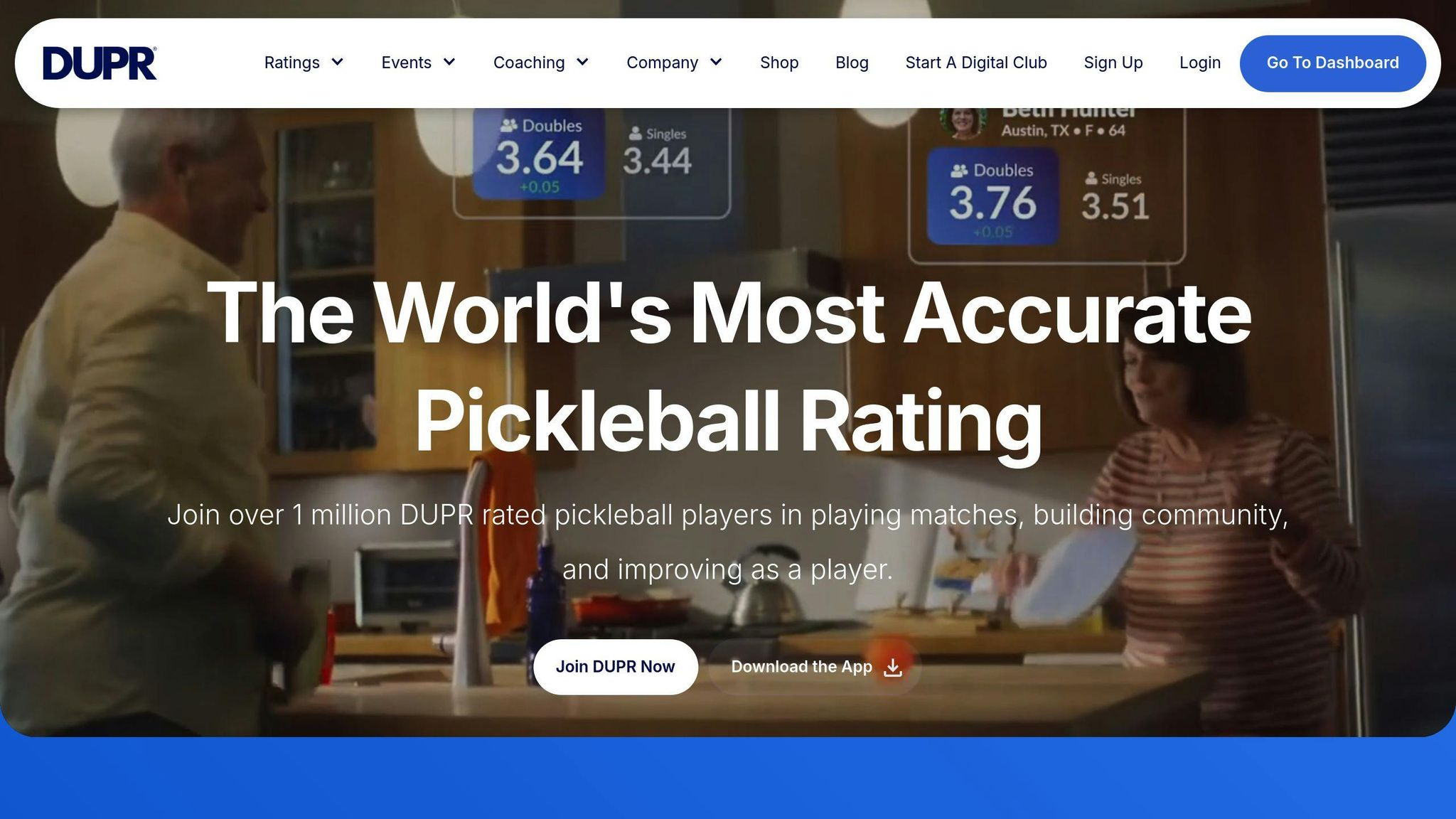
Division-based scheduling organizes pickleball leagues by grouping players based on skill levels. Combined with a flex-match system, this method ensures games are both competitive and enjoyable, no matter when they’re played.
Using the DUPR (Dynamic Universal Pickleball Rating) system, players can be grouped into balanced skill divisions. This approach brings several benefits:
| Benefit | Impact |
|---|---|
| Fair Competition & Growth | Creates evenly matched games and encourages skill improvement |
| Efficient Court Use | Makes the most of courts during off-peak hours (9-11am, 3-5pm) |
| Player Retention | Keeps participants engaged through balanced matchups |
The Eugene Swim & Tennis Club (ESTC) offers a clear example of an effective division setup:
Another example is Paddle Party’s league, which organizes players into the following levels:
| Division Level | Description |
|---|---|
| Beginner | Perfect for those just starting out |
| Lower Intermediate | For players honing basic skills |
| Upper Intermediate | Suited for players seeking consistent challenges |
| Advanced | Tailored for those with refined techniques and experience |
To ensure divisions stay accurate and fair, league organizers should:
Technology can simplify league management by making scheduling faster and more efficient. When combined with systems like flex-match and division-based scheduling, it becomes an essential tool for organizers.
Several platforms provide excellent features to help streamline operations for league organizers:
| Feature | Pickleheads | Paddle Party | Cheddar Up |
|---|---|---|---|
| Automated Scheduling | ✓ | ✓ | ✓ |
| DUPR Integration | ✓ | ✓ | – |
| Real-time Updates | ✓ | ✓ | ✓ |
| Built-in Messaging | ✓ | ✓ | ✓ |
| Multi-location Management | ✓ | – | ✓ |
| Score Tracking | ✓ | ✓ | – |
"After implementing Pickleheads, we saw significant improvements in communication and organization. The automated scheduling features dramatically reduced administrative time"
These platforms can save time and reduce headaches, but knowing which features matter most is key to finding the right fit for your league.
When choosing scheduling software, focus on these critical features:
For example, Paddle Party excels in these areas with its structured 6-week regular season format. It updates DUPR scores automatically while giving organizers the flexibility to adjust schedules as needed.
To get started, focus on basic features that address your immediate needs. Once players are comfortable, you can explore more advanced options to enhance the experience further.
Providing a range of time slots and venues can significantly boost participation in pickleball leagues. It allows players with different schedules to join while making the most of available courts.
Offering a mix of time slots – morning, afternoon, and evening – can meet the needs of diverse player groups:
| Time Block | Target Players | Benefits |
|---|---|---|
| Morning (7-11 AM) | Early risers, retirees | Quieter courts, cooler temperatures |
| Afternoon (12-4 PM) | Flexible schedules, remote workers | Makes use of daylight hours |
| Evening (5-9 PM) | Working professionals | Higher turnout, social atmosphere |
To refine your scheduling:
Handling multiple venues can be challenging, but technology can make it easier. Denise Richards, COO of Dill Dinkers, highlights the importance of tools like CourtReserve:
"CourtReserve’s personalized solutions have been invaluable for managing multiple venues."
Here’s how to approach multi-location management:
Venue-Specific Factors
Coordination Tips
The Eugene Swim & Tennis Club (ESTC) showcases how this can work well. Their Flex League system blends DUPR ratings with flexible scheduling, ensuring competitive play and easy access for all participants.
While offering a variety of time slots and locations adds convenience, maintaining clear communication is key to keeping everything running smoothly.
Clear communication is key to making flexible scheduling work smoothly. It helps players and organizers stay on the same page, reducing misunderstandings and boosting participation.
Leagues can benefit from using a mix of tools to reach players effectively. For example, the Eugene Swim & Tennis Club (ESTC) requires players to contact opponents via both phone and email, with a 72-hour response time.
| Communication Tool | Primary Use | Key Benefits |
|---|---|---|
| League Apps | Scheduling and updates | Notifications and chat |
| Group Messaging | Team coordination | Instant updates |
| Official announcements | Record-keeping | |
| Push Notifications | Time-sensitive updates | Immediate awareness |
Platforms like Pickleheads make communication easier by offering features like automatic invites and session chats.
To ensure smooth communication in flexible scheduling, consider these practices:
Handling Unresponsive Players: If a player doesn’t respond, reach out via both phone and email, give them 72 hours to reply, and document every attempt.
For league administrators, scheduling software with built-in messaging and automated reminders can streamline communication and lighten the workload. By following these steps, organizers can create a seamless experience for everyone involved.
Introducing flexible scheduling in pickleball leagues requires a thoughtful approach that meets player needs while ensuring smooth operations. Here are some strategies that help create a successful league setup:
| Practice | Benefit | Impact |
|---|---|---|
| Flex-Match System | Offers player convenience | Boosts participation |
| Division-Based Scheduling | Ensures fair competition | Improves player retention |
| Technology Integration | Simplifies operations | Cuts down administrative work |
| Diverse Time Slots | Expands accessibility | Optimizes court usage |
| Clear Communication | Reduces scheduling issues | Increases player satisfaction |
Data reveals that effective scheduling can raise revenue from $10 per player to $40–$80 per court hour during peak periods. These strategies not only streamline league management but also improve the overall player experience, paving the way for sustained success.
Start by implementing the flex-match system and organizing skill-based divisions to create a more dynamic league structure. Make it a habit to collect feedback from players and adjust schedules to account for seasonal changes like weather or daylight.
To get the best results, schedule open play during peak hours and reserve skill-based leagues for less busy times. This method ensures courts are used efficiently while keeping players happy.